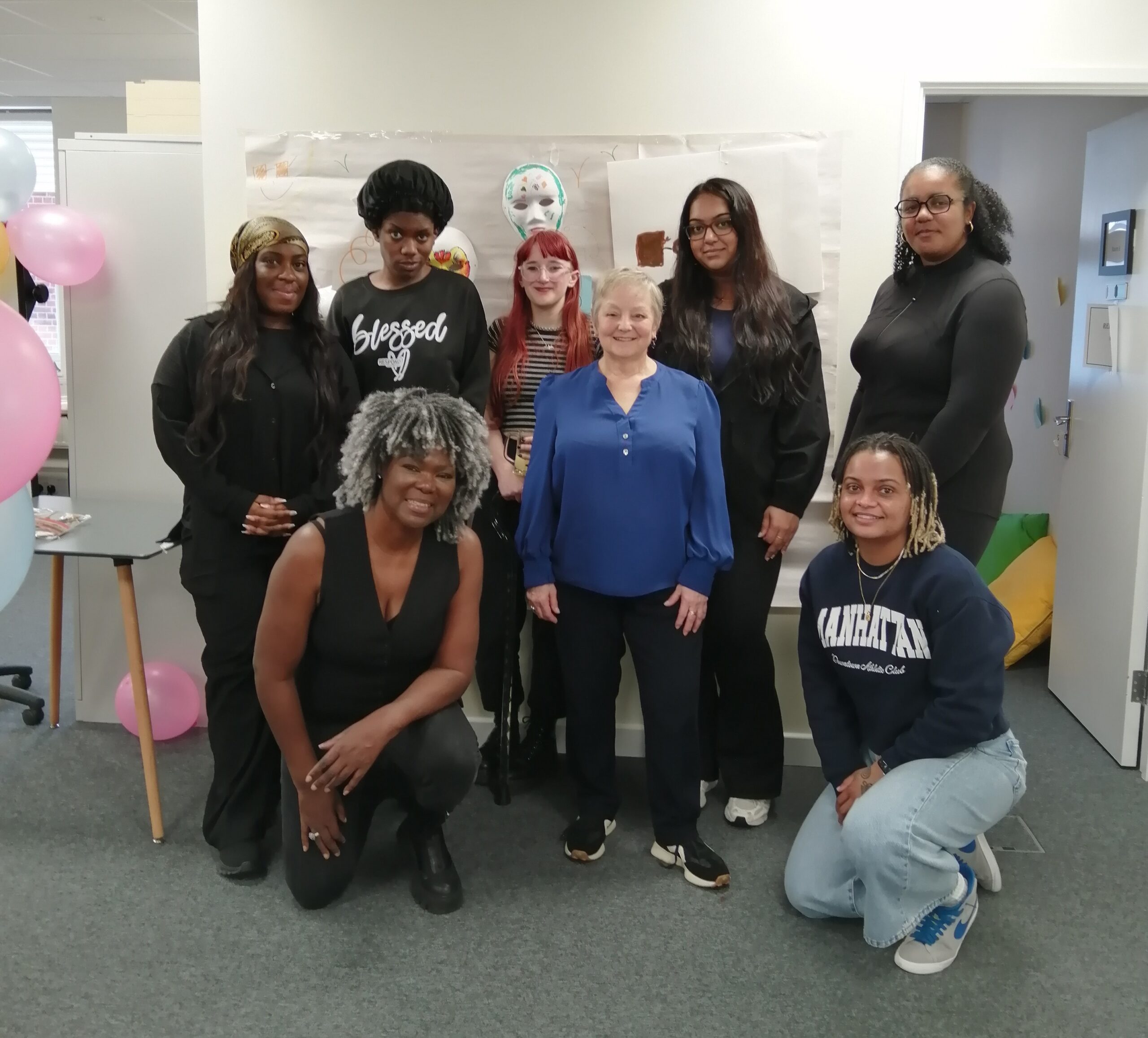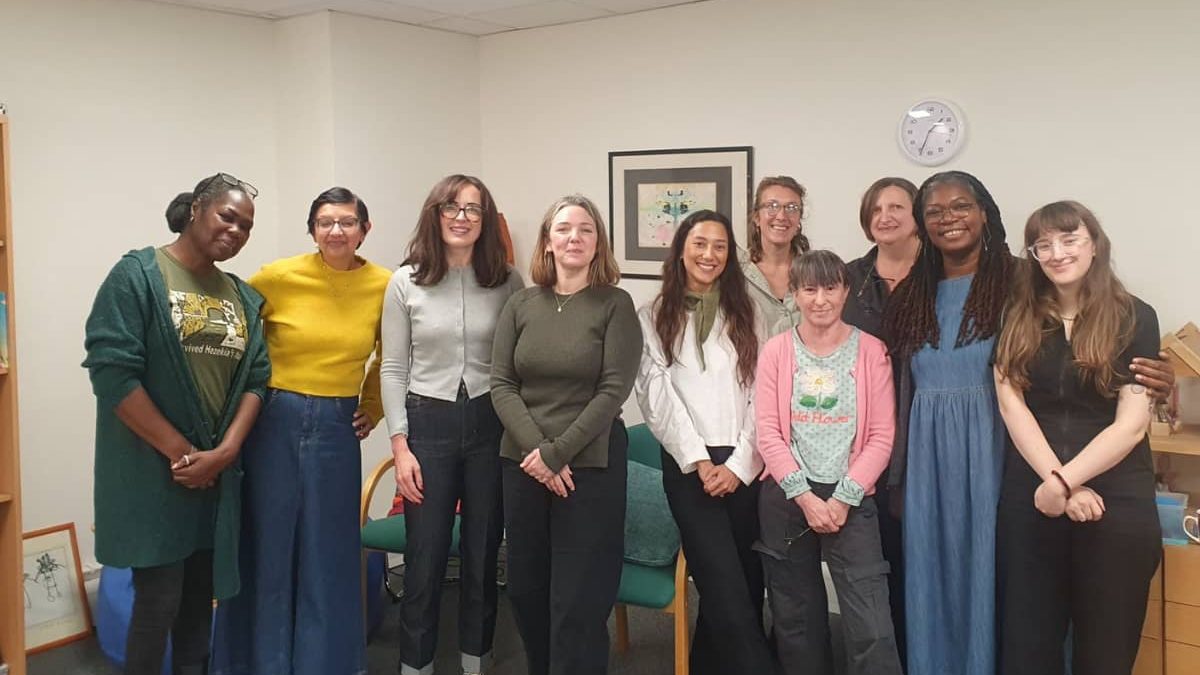
This Spring, we had the privilege of welcoming Lilian to Respond, and specifically to our Advocacy Services Team.
You can see Lilian’s professional profile here, but we also wanted to introduce Lilian by asking her a few questions about her reasons for joining Respond, and what meaningful support for survivors means to her.
What inspired you to join Respond?
Respond’s focus on disabled survivors immediately stood out to me, because it reflects gaps I’ve seen across every part of my work. In my experience managing services and working across partnerships, I’ve seen how systems are often built on assumptions such as verbal communication, linear storytelling, and quick emotional processing. That automatically excludes a lot of disabled and neurodivergent survivors.
What drew me to Respond is that the charity doesn’t just acknowledge that, it builds its entire approach around it. The combination of specialist expertise, therapeutic support, and system influencing really aligns with how I already think about this work. I wanted to be part of an organisation that not only responds to harm but also actively challenges the structures that create barriers in the first place.
I wanted to be part of an organisation that not only responds to harm but also actively challenges the structures that create barriers in the first place.
What are you most looking forward to about being part of the team?
I’m really looking forward to working in a space where that level of specialist thinking is the norm, not something you have to constantly explain or justify.
I’m particularly interested in contributing beyond direct service delivery, especially around how Respond is represented externally. That includes influencing how partnerships work in practice, how referrals are handled, and how expectations around reasonable adjustments are clearly set across agencies.
I’m also looking forward to contributing to how we use evidence. Turning what might look like individual issues into clear system patterns, whether that’s around delays, access barriers, or how survivors are perceived, and using that to shape conversations with commissioners and partners.
Meaningful support is support that actually adapts to the person, not the other way around.
What does meaningful support for survivors look like to you?
Meaningful support is support that actually adapts to the person, not the other way around.
In practice, that means creating environments where survivors are not judged on how well they communicate, how consistent their story is, or how they present under pressure. It means recognising different communication styles, allowing flexibility in how information is shared, and not treating differences as unreliable.
It also means understanding intersectional impact. For example, how a Black autistic survivor might be perceived very differently in a system that isn’t equipped to understand either race or neurodivergence properly.
At a systems level, meaningful support means going beyond individual cases and asking what patterns we’re seeing. Are certain groups facing more delays, more disbelief, or more drop-off? Then, using that evidence to push for change, so the responsibility isn’t always on survivors to navigate systems that weren’t designed for them.